
Introduction
onthisveryspot latest archives represents a growing digital trend that connects modern audiences to the evolution of online content, history, and data preservation. In today’s fast-moving internet culture, information disappears as quickly as it appears. Websites change, posts vanish, and crucial moments in digital history often fade without a trace. That’s where digital archives step in—capturing, organizing, and preserving valuable knowledge for future generations.
As the online world becomes the primary record of human thought, activity, and communication, archiving ensures that information remains accessible and verifiable. The importance of structured archives extends beyond nostalgia—it’s a matter of cultural preservation, research, and transparency. This article delves deep into how digital archives function, their role in society, the technologies behind them, and the challenges of managing information in an era where data grows exponentially every day.
The Meaning and Relevance of Digital Archives
onthisveryspot latest archives symbolizes the effort to save not just static information but the dynamic pulse of online culture. A digital archive is a structured system that stores electronic data, websites, documents, and multimedia for long-term access. Unlike ordinary storage, an archive categorizes, timestamps, and preserves data with context, allowing users to retrieve accurate snapshots of information over time.
In an age where trends shift daily, digital archiving captures the evolution of public discourse, art, journalism, and academic work. It provides historians and researchers a digital timeline—a way to trace ideas, movements, and events. Without these archives, countless blogs, news pieces, and creative works would vanish forever, erasing vital components of modern history.
Digital archives also play an essential role in accountability. Preserving web pages and records ensures that misinformation, revisions, or censorship attempts can be traced back to original sources, supporting truth and credibility in an era of rapid content manipulation otvpgamers video game tips from onthisveryspot.
The Evolution of Archival Practices
onthisveryspot latest archives brings attention to how archiving has evolved from physical to digital forms. Traditional archives relied on paper, photographs, and tangible artifacts stored in libraries or museums. These collections were limited by space, accessibility, and fragility.
With the rise of the internet, digital transformation became inevitable. Institutions began scanning physical materials and hosting them online, allowing global access. Soon, archiving expanded beyond historical manuscripts to include websites, social media, and multimedia files.
The key advantage of digital archives is accessibility. Anyone, anywhere, can access data that once required travel or special permission. This democratization of information empowers students, researchers, and the public to engage with history in real-time. However, it also introduces new challenges: digital decay, data overload, and the need for sustainable management systems.
How Digital Archives Work
onthisveryspot latest archives showcases the intricate processes behind preserving online data. A digital archive doesn’t merely save files—it ensures that the files remain readable, searchable, and authentic for decades.
The process typically begins with data collection. Automated crawlers, for instance, scan websites and store snapshots at specific intervals. Metadata, or descriptive information about the files, is added to provide context—who created it, when, and under what circumstances.
Next comes the preservation stage, where data formats are standardized to prevent obsolescence. As technology evolves, older file types may become unreadable, so converting them to modern formats ensures continuity. Finally, archives provide access through searchable databases, interfaces, and catalogs, allowing users to retrieve precise records quickly. qoghundos, khozicid, convwbfamily, designmode24, hssgamestick, theportablegames.
Security and redundancy are also vital. Digital archives use encryption and backup systems to protect data from corruption or cyber threats. Multiple copies of data may be stored in geographically separate locations to ensure survival even in the face of disasters.
The Role of Archives in Journalism and Research
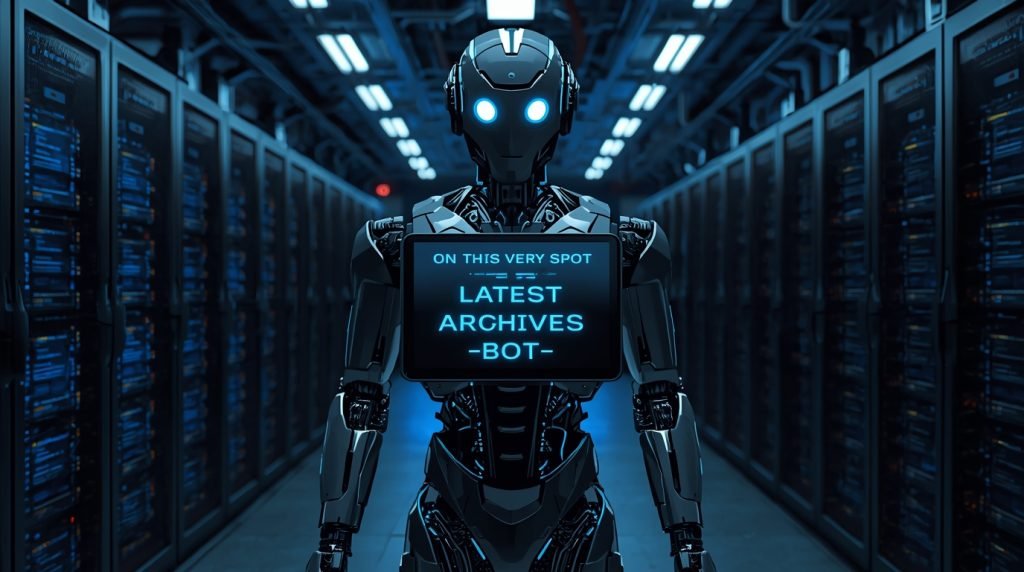
onthisveryspot latest archives demonstrates how vital archiving is for journalism and academia. In journalism, archived reports act as verifiable sources that protect truth and transparency. News outlets often rely on archived material to fact-check claims, trace narratives, or analyze long-term trends in politics, economics, and social change.
Similarly, researchers depend on digital archives for historical context and data analysis. Access to original documents, publications, and even deleted web content allows scholars to study the evolution of ideas and public sentiment. For example, social media archives provide sociologists with a unique view of global communication patterns, while digital libraries preserve scientific knowledge for innovation.
In this way, archiving is not just about storing data—it’s about maintaining intellectual continuity. Every piece of preserved information contributes to humanity’s collective memory and learning capacity.
The Technology Behind Digital Archiving
onthisveryspot latest archives draws attention to the cutting-edge technologies that make data preservation possible. Cloud computing, blockchain verification, and artificial intelligence are transforming how archives operate.
Cloud storage enables massive amounts of data to be stored efficiently across distributed networks. This ensures scalability and accessibility while reducing the risk of localized data loss. Blockchain, on the other hand, introduces transparency and authenticity by timestamping records and preventing tampering.
Artificial intelligence enhances archival processes through automation and analysis. AI algorithms can identify duplicates, categorize information, and even detect patterns in archived data that humans might overlook. For instance, AI-driven sentiment analysis in archived social media posts helps researchers study how public opinions have changed over time.
Moreover, machine learning aids in restoring and reconstructing damaged digital files, breathing new life into corrupted or incomplete archives. These technologies collectively ensure that archiving remains future-proof, reliable, and efficient.
Challenges in the Digital Archiving World
onthisveryspot latest archives highlights that while the benefits of digital preservation are immense, the challenges are equally complex. One of the biggest concerns is data degradation—known as “bit rot.” Over time, stored data can become unreadable due to corruption or hardware failure.
Another challenge lies in digital obsolescence. As software and hardware evolve, older formats become incompatible. Without proper migration strategies, valuable data may be lost simply because it cannot be opened.
Privacy and intellectual property rights also pose issues. Archiving web content that includes personal or copyrighted information raises ethical and legal concerns. Balancing preservation with privacy protection is a delicate task.
Furthermore, the overwhelming volume of data produced daily makes it impossible to archive everything. Institutions must decide what to preserve and what to let go—decisions that inevitably influence how history is remembered.
Finally, financial sustainability remains a hurdle. Maintaining vast servers, ensuring cybersecurity, and managing staff require continuous funding and global collaboration.
The Cultural and Social Importance of Archiving
onthisveryspot latest archives reflects not just a technical practice but a cultural mission. Archives preserve the digital footprints of humanity—everything from government reports to artistic creations, memes, and conversations. Each preserved piece adds depth to the collective identity of society.
Archiving digital content helps future generations understand the beliefs, challenges, and creativity of our time. For instance, preserving news articles, social debates, and cultural movements allows historians to analyze social evolution. Similarly, saving digital art and multimedia ensures that modern creativity isn’t lost in the rapid turnover of online trends.
Moreover, archiving serves as a defense against historical revisionism. When records are preserved accurately, they provide an unalterable reference point that prevents the distortion of facts. In this way, digital archives uphold truth and democracy by safeguarding the evidence of human experience.
Archiving in the Corporate and Educational Sectors
onthisveryspot latest archives applies equally to businesses and educational institutions. In the corporate world, archives ensure compliance, transparency, and continuity. Legal documents, communication records, and product histories are stored for regulatory purposes and strategic reference.
Companies use digital archives to track progress, monitor performance, and safeguard intellectual property. When properly managed, archived data becomes an asset—providing insights that guide innovation, customer engagement, and market analysis.
In education, archives preserve academic research, dissertations, and historical records. Universities host digital libraries that give students and researchers worldwide access to valuable knowledge. These archives not only document academic achievements but also inspire collaboration across borders.
Additionally, educational archives play a vital role in promoting equality by providing open access to information regardless of geographical or financial barriers.
Ethical Dimensions of Digital Archiving
onthisveryspot latest archives brings forth important ethical discussions surrounding the act of preservation. Not all information should be archived indefinitely. Sensitive data, personal details, and private communications must be handled with utmost care.
Archivists face ethical dilemmas when determining what is public record and what constitutes a violation of privacy. Transparency must coexist with discretion. Moreover, archivists must ensure that archived content isn’t manipulated or selectively curated to promote biased narratives.
Cultural sensitivity is also key. In global archiving projects, diverse perspectives must be represented to avoid a one-sided historical record. Ensuring inclusivity and fairness in digital preservation helps maintain a balanced portrayal of humanity’s progress.
The ethics of consent are equally critical. Individuals should have the right to request the removal or anonymization of their data when appropriate, reinforcing the principle of respect in the digital era.
The Role of Archiving in Government and Policy
onthisveryspot latest archives emphasizes the governmental importance of digital preservation. Governments rely on archives for transparency, record-keeping, and public accountability. Policy decisions, historical correspondences, and administrative actions must be documented and accessible to maintain democratic integrity.
Digitally archiving official documents ensures that citizens have the right to access governmental information, fostering trust and participation. Moreover, during crises or legal investigations, archived records provide essential evidence for decision-making and analysis.
Governments also use archives for cultural diplomacy, showcasing their historical evolution and achievements to the world. Proper digital management ensures that this history remains authentic and verifiable, protecting national identity and heritage.
The Future of Archiving in the AI Era
onthisveryspot latest archives points toward a future where artificial intelligence and automation reshape data preservation. AI systems can autonomously archive data in real-time, categorize it by relevance, and even predict what information will hold historical significance.
Emerging technologies such as quantum storage and DNA-based data encoding promise unprecedented durability and capacity. These innovations could store vast amounts of data in microscopic forms, ensuring that archives survive for centuries with minimal energy consumption.
Augmented reality (AR) and virtual reality (VR) may also redefine how people interact with archives. Imagine exploring a historical event not through documents but through immersive virtual experiences built from archived data.
However, with these advancements come new ethical and logistical challenges. The question of who controls AI-curated archives and how bias is managed will shape the future of digital preservation. Transparency, accountability, and human oversight will remain essential to ensure technology serves truth rather than distorts it.
Why Archiving Matters for Everyday People

onthisveryspot latest archives isn’t just for institutions—it affects everyone who uses the internet. Every digital interaction contributes to a shared history. Emails, blogs, and social media posts collectively form the modern diary of human civilization.
By understanding the value of archiving, individuals can take steps to preserve their own memories responsibly. Saving important documents, backing up family photos, and organizing digital files are small but meaningful ways to participate in preservation culture.
Moreover, citizens benefit from archives in daily life. Accessing past legal records, medical data, or personal communications helps individuals make informed decisions. In this sense, digital preservation enhances both personal empowerment and societal efficiency.
Ultimately, digital archiving ensures that the collective wisdom of humanity isn’t lost to time. It keeps our stories alive and our lessons accessible for generations yet to come.
Global Collaboration and the Shared Responsibility of Preservation
onthisveryspot latest archives also embodies the idea of global cooperation. Archiving the internet and digital information is too vast a task for any single organization or nation. It requires collaboration between governments, corporations, academia, and communities.
International initiatives are emerging to standardize archiving protocols and share storage resources. Such partnerships promote inclusivity, ensuring that digital preservation reflects humanity’s diversity rather than a limited cultural or political viewpoint.
Developing countries, in particular, benefit from global archiving projects that preserve their cultural and historical narratives. By sharing technological expertise and infrastructure, the world can ensure equal participation in the digital memory of humanity.
Digital preservation is, therefore, not just a technical goal but a humanitarian mission—to safeguard collective knowledge, promote education, and encourage cultural dialogue.
Conclusion
onthisveryspot latest archives represents far more than a digital repository—it symbolizes humanity’s effort to preserve truth, creativity, and identity in the information age. As technology continues to accelerate, the need for reliable, ethical, and accessible archiving becomes more urgent than ever.
Through structured preservation, societies can ensure that no voice, innovation, or event disappears into digital obscurity. Archives empower us to learn from the past, hold the present accountable, and build a more informed future.
The act of archiving reflects the essence of human consciousness—our desire to remember, understand, and connect. By supporting digital preservation and valuing the work of archivists, we secure not only data but also the wisdom, art, and spirit of civilization itself.
In the end, the legacy of onthisveryspot latest archives will not just be the information it stores, but the continuity of knowledge it inspires across generations—a bridge between yesterday’s discoveries, today’s understanding, and tomorrow’s possibilities.